Three Reasons Why We Need Playgrounds in 2026
In a world increasingly dominated by algorithms, tablets, and virtual reality, there’s a timeless piece of childhood architecture that our kids need now more than ever: the local playground.
As we navigate 2026, screen time is at an all-time high. While technology has its place, it can’t replace the fresh air, tactile experiences, and community connection found on a well-designed commercial playground.
Whether you are a parent looking to get your kids active, a school administrator planning a campus upgrade, or a parks director looking to revitalize your community, here are three undeniable reasons why getting kids back onto playgrounds is essential this year.
1. Hardwiring Social Development (In a Screen-First World)
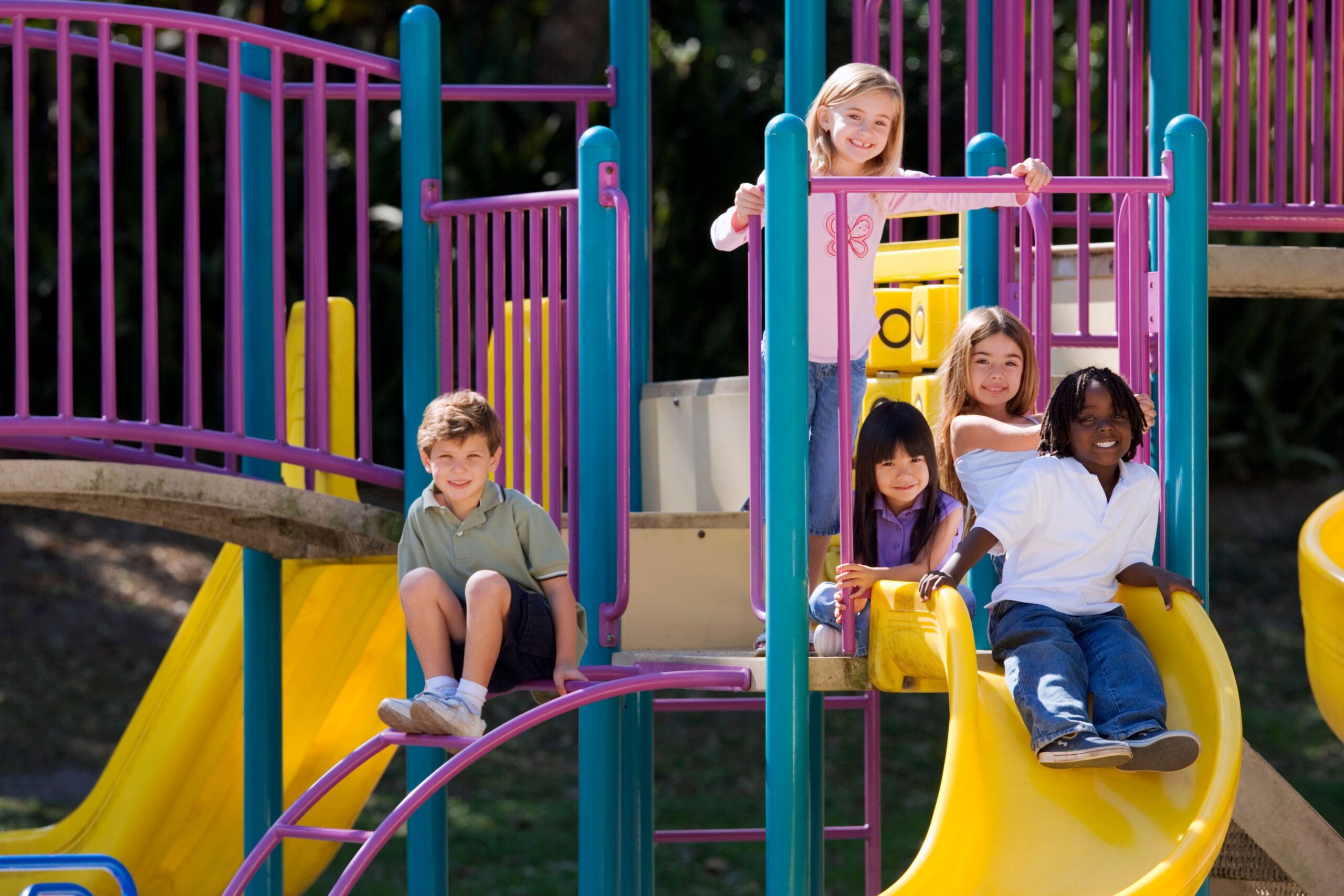
The playground is essentially a child’s first community center. It is the perfect, low-stakes environment for kids to hone critical social skills that text messages and video games just can’t teach.
When children are at a playground, they learn to:
- Navigate differences: They interact naturally with peers from completely different backgrounds.
- Communicate and collaborate: From inventing game rules on the fly to sharing the swings, they learn the art of negotiation.
- Resolve conflicts: Managing small disagreements (like who goes down the slide next) builds lifelong problem-solving skills and emotional intelligence.
In 2026, giving kids a space to tell jokes, read body language, and make organic, real-world friends is one of the greatest gifts we can offer them.
2. A First Introduction to Physical Fitness & Confidence
Often, the local park or school playground serves as a child’s very first introduction to physical fitness. Playground equipment is intentionally engineered to challenge a developing body in diverse, holistic ways.
As kids climb, swing, and balance, they are building critical physical foundations:
- Core Stability & Balance: Navigating uneven bridges and moving walkways strengthens stabilizing muscles.
- Upper Body Strength: Monkey bars and overhead climbers target muscle groups that are often underutilized in sedentary play.
- Hand-Eye Coordination: Judging distances to catch a railing or step onto a platform sharpens spatial awareness.
Most importantly, conquering a physical challenge—like finally making it across the overhead ladder—inspires massive self-confidence. That sense of “I did it!” stays with a child long after they leave the park.
3. Making Core Memories and Just Being a Kid
Between school schedules, organized sports, and structured activities, today’s kids are incredibly busy. Playgrounds offer something rare: unscripted, unstructured freedom.
This is where core memories are made—laughing with family, racing friends, and enjoying imaginative play where a climbing tower becomes a castle or a spaceship.
At the end of the day, our kids just need the space to be kids and have fun.
Let’s Build a Space for Memories
At Carolina Recreation, we believe that every school, park, and community deserves top-tier, safe, and engaging commercial playground equipment that fosters growth and joy. If you are ready to design a playground that brings families together and keeps kids thriving in 2026, we are here to help.
Ready to start your next playground project? Let’s chat! If you are located in Tennessee or the surrounding areas, contact me today to talk about your community’s needs: